
Debunking common myths about gambling What you really need to know
Understanding Gambling Addiction
A common myth surrounding gambling is that it only affects those who lack self-control or are inherently irresponsible. In reality, gambling addiction can affect anyone, regardless of their background or financial situation. In this context, the psychological effects of gambling often stem from factors such as stress, anxiety, or even depression. The thrill of gambling can offer a temporary escape, leading individuals to chase losses and fall deeper into compulsive behavior, which is why it is crucial to explore resources that provide the best casino online insights into these matters.

Moreover, the physiological responses triggered by gambling, such as the release of dopamine, can create a powerful cycle of craving and reward. This biological factor is often overlooked when discussing gambling behavior, reinforcing the need for a more nuanced understanding of addiction that goes beyond mere personal choice.
The Odds Are Always in Favor of the House
Many believe that by using specific strategies or systems, they can beat the odds in gambling. While skill can play a role in certain games, the fundamental truth remains: the odds are designed to favor the house. This is particularly evident in games like slots and roulette, where the house edge ensures that, over time, the casino will profit regardless of individual player strategies.
This myth can lead players to believe they have a better chance of winning than they actually do, which can result in significant financial losses. Understanding the mathematics behind gambling games is crucial for anyone considering participating in this form of entertainment, as it allows for more informed decisions and realistic expectations.
Winning Streaks Are a Sign of Skill
Another prevalent misconception is that a winning streak is indicative of skill or a superior understanding of the game. In fact, winning streaks can occur purely by chance, and attributing them to personal skill can lead to dangerous overconfidence. This belief often fuels further gambling, as players may think they are on a ‘hot’ streak that will continue indefinitely.
It’s vital to recognize that the gambling environment is inherently unpredictable. Even the most skilled players can encounter losing streaks, and the notion that consistent wins reflect skill can perpetuate addictive behaviors and financial risks. Understanding the randomness involved in gambling can help mitigate such misconceptions.
The Impact of Gambling on Mental Health
Many people underestimate the psychological effects of gambling, believing it to be merely a fun pastime. In reality, gambling can have profound impacts on mental health, including increased anxiety, depression, and feelings of isolation. The pressure to recoup losses can create a vicious cycle, leading individuals to gamble more as they become trapped in their own behavior.
Moreover, the social stigma associated with gambling addiction can deter individuals from seeking help, further exacerbating their mental health issues. Acknowledging the psychological implications of gambling is essential for fostering awareness and encouraging those affected to seek support and recovery resources.
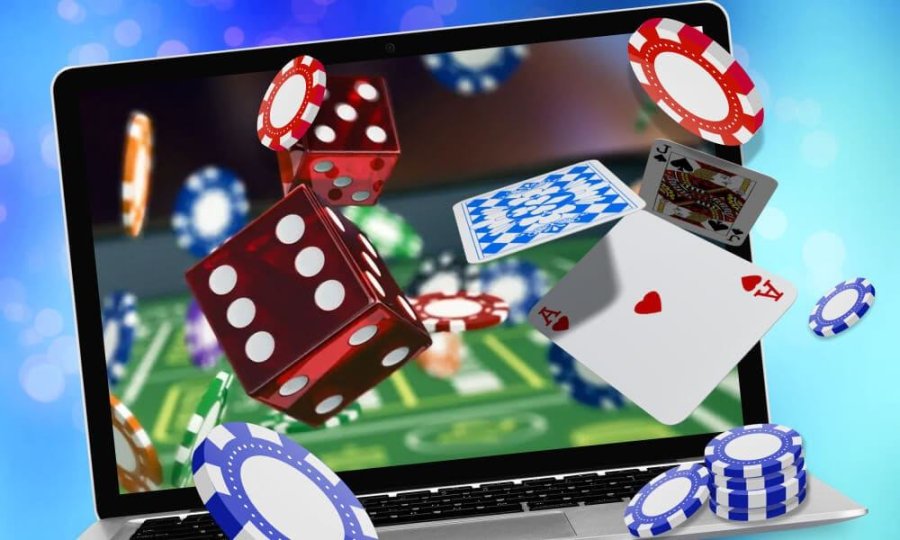
Insights and Updates on the Gambling Industry
This website aims to provide valuable insights and updates about the gambling industry, addressing prevalent myths and promoting informed discussions. By focusing on education and awareness, we hope to engage users in understanding the complexities of gambling, both from a psychological standpoint and within the broader context of entertainment.
Despite security challenges that may limit access at times, our commitment remains to offer a secure and informative platform. For those interested in the latest trends and developments in gambling, we encourage you to explore our resources and stay updated on this dynamic industry.